Carotid artery disease is a serious condition that restricts blood flow to the brain. However, many people never hear of it until they are diagnosed by a medical professional. Vascular Health Center provides specialized care and support for those navigating this condition. If you’ve been diagnosed with carotid artery disease or you are concerned about your vascular health, there are many options for diagnosis and treatment.
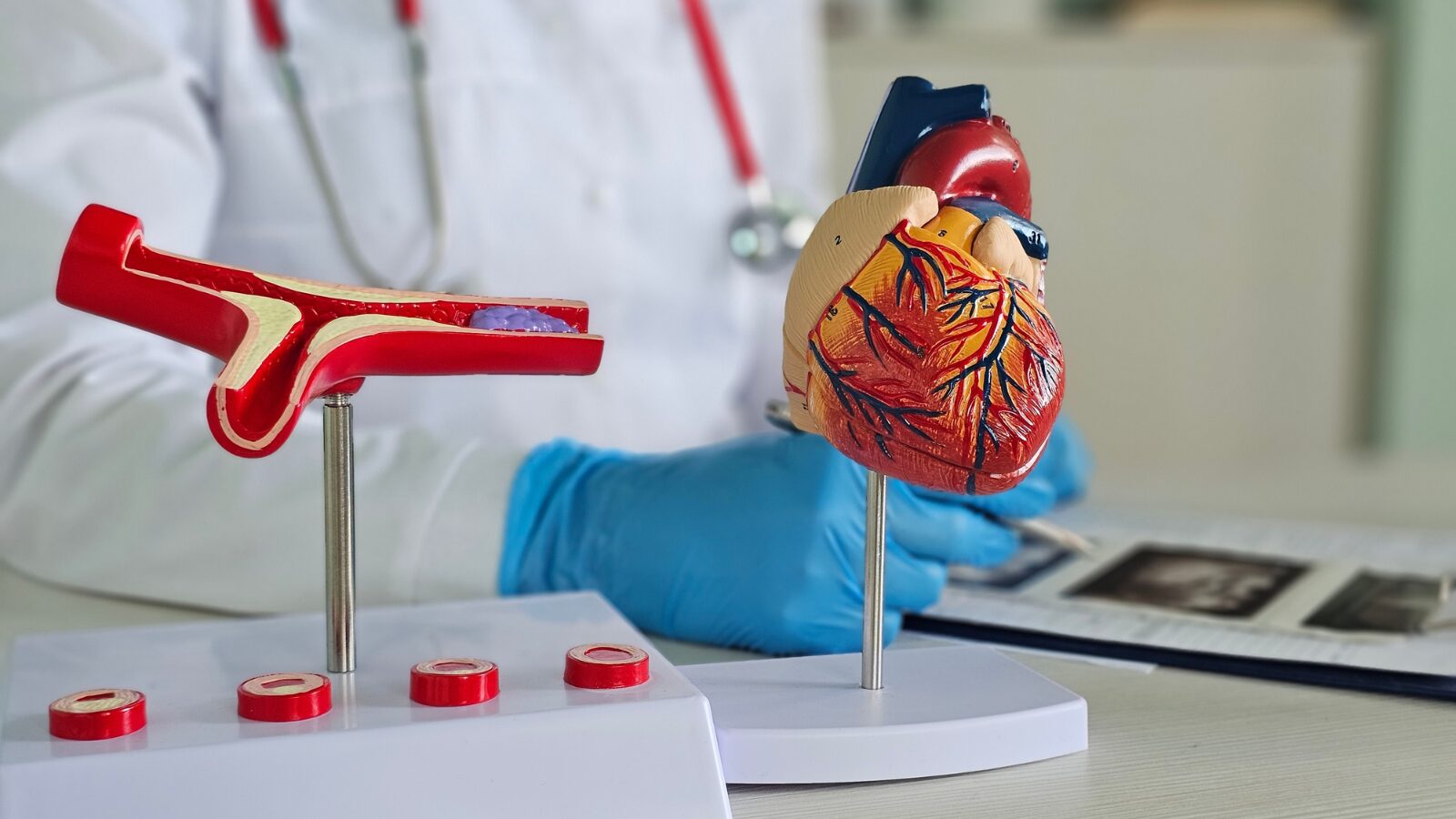
Carotid artery disease (CAD), also known as carotid artery stenosis, is the narrowing or blockage of the main arteries supplying blood to the brain. It is a common vascular disease, typically caused by plaque buildup, and is a leading cause of stroke.
While CAD forms over time, symptoms are often difficult to recognize until a major event occurs. When blockages or narrowing of arteries stop blood from passing through the carotid artery, blood can no longer reach the brain, leading to ischemic stroke.
CAD is primarily caused by plaque buildup (atherosclerosis) fueled by high blood pressure, smoking, high cholesterol, and diabetes. The disease typically starts as small fatty deposits on blood vessel walls. Blockage growth occurs gradually over time, often without early warning signs. In many cases, a stroke or transient ischemic attack (TIA) is the event that reveals CAD.
Stroke and TIA symptoms require immediate medical attention and may include:
Vascular Health Center diagnoses carotid stenosis using painless, non-invasive imaging. Different imaging tests may be conducted for primary diagnosis and to detect severity.
Treatment options for carotid artery disease vary based on disease severity, with strategies ranging from medication and lifestyle changes to surgical intervention. Depending on disease progression, you can expect:
CAD treatments are minimally invasive and highly effective at removing blockages and preventing them from reforming. Surgical options that remove plaque from arteries restore safe blood flow and significantly lower long-term stroke risk.
Carotid artery disease is a serious condition that can have severe consequences if it goes untreated. However, with early diagnosis, treatments are highly effective, eliminating current symptoms and reducing future stroke risks.
At Vascular Health Center, our board-certified vascular specialists and experienced team provide advanced diagnostic testing and personalized treatment plans to improve blood flow and reduce stroke risk from CAD. Reach out today to discuss your concerns and schedule a consultation.